Programs
Age-appropriate pathways from first curiosity to first opportunity
NCYDC is building a school-to-career pipeline for youth and young adults in North St. Louis County. Participants start with exploration and readiness, then move toward training, credentials, employment, apprenticeship, further education, or a business of their own, with mentoring and support the whole way.
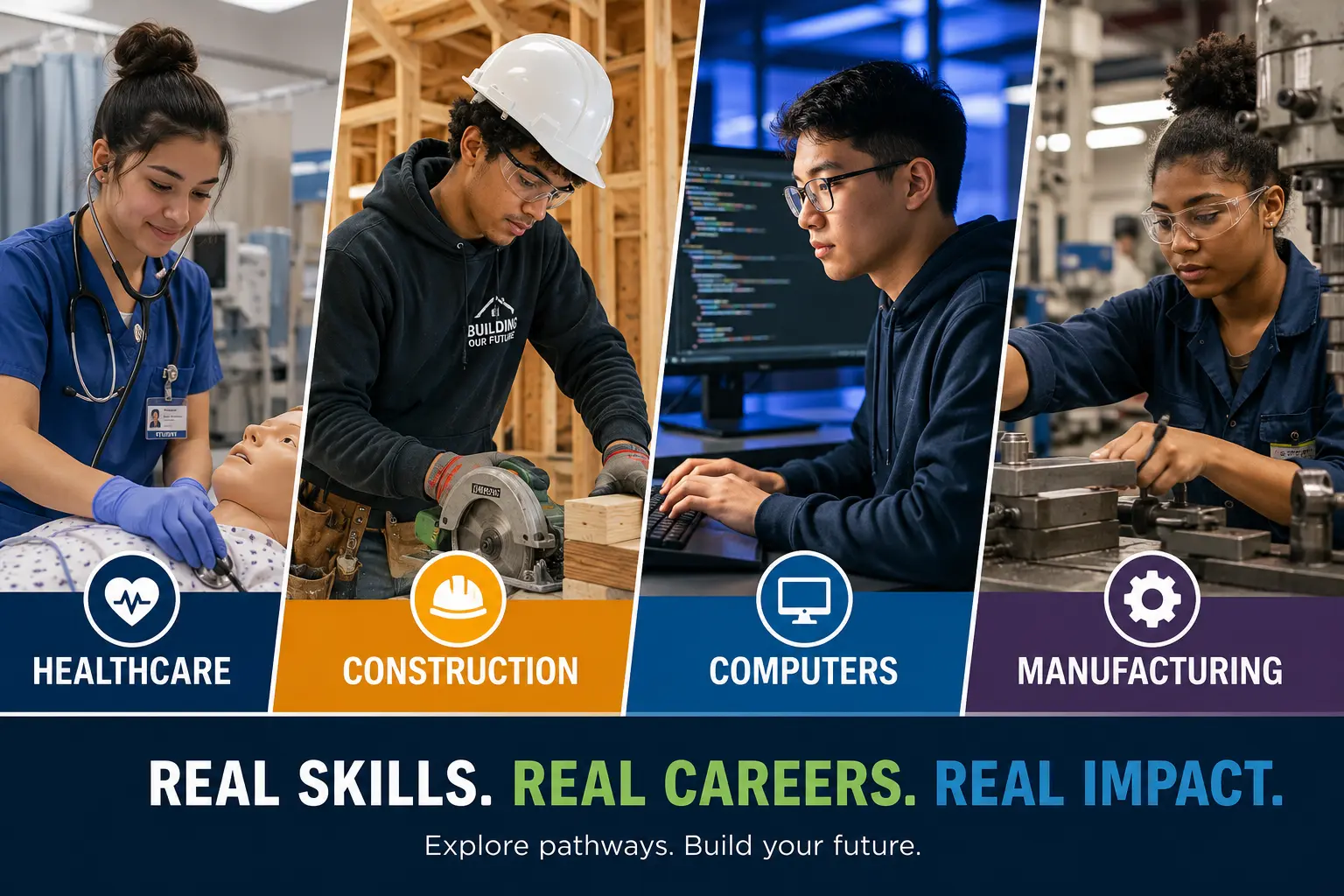
Every cohort is built around the age of the group, readiness, available partners and instructors, and pathway safety requirements, so cohorts differ from one another. Families know exactly what a cohort includes and who delivers each part before deciding to enroll.
The pathway in six stages
The same journey, in the stages we present to students and families. Participants move at the pace their age, readiness, and cohort schedule allow.
Discover
Career awareness, industry exposure through guest speakers and tours, and a first career plan.
Prepare
Workforce readiness, professional behavior, resumes, interviewing, and safety training.
Train
Hands-on, partner-led instruction in the chosen pathway, with credential preparation where eligible.
Connect
Mentoring, work-based learning, and introductions to employers, unions, and training providers.
Support
Wraparound help with transportation, materials, and the practical barriers that end participation early.
Launch
The move into a job, apprenticeship, credential program, further education, or a business idea, with follow-up.
A phased build, done properly
NCYDC is being developed and launched in phases. Programs expand as appropriate funding, facilities, instructors, equipment, insurance, approvals, safety systems, and partnerships are secured. Each phase is confirmed before a cohort begins, so families and partners always know what is available now and what is being prepared next.
Age-appropriate structure
What participation looks like at each stage
Younger students, high school students, and young adults take part in separate cohorts, schedules, learning environments, and levels of supervision.
Grade 5 through middle school
Age-appropriate career exploration and confidence
Career exploration and exposure, not workforce training: demonstrations, school and community experiences, mentoring, life skills, and financial awareness. Scheduled and supervised separately from high school and adult programming.
Ages 14 to 17
Workforce readiness and pre-apprenticeship exposure
Teens go deeper into a pathway with safety training, skill labs, and time around employers and training providers. They build resumes, practice interviews, work with a mentor, and prepare for age-appropriate credentials when an approved partner offers them.
Ages 18 to 24
Training, credentials, and next steps
Young adults move into credential and training pathways with approved partners, connect to apprenticeships, employers, and postsecondary options, and get help with job search and placement. Support continues after placement, because the first few months matter most.
Pathway
Skilled Trades
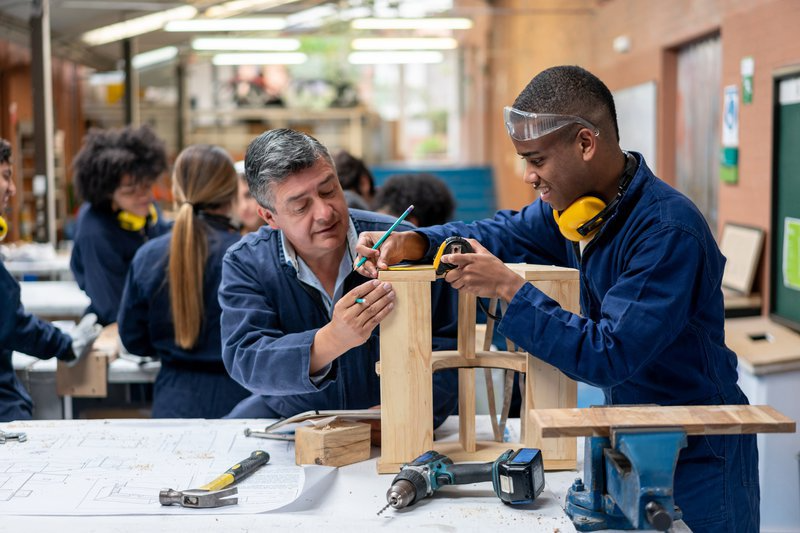
Exploration and pre-apprenticeship readiness across HVAC, electrical, carpentry, painting and drywall, and plumbing, so a young person walks into partner training already comfortable with tools, measurement, safety, and crew expectations.
What participants work on
- Tool identification, safe handling, measurement, and shop practice
- Introductory plan and blueprint awareness fitted to the participant's age
- Trade math and problem solving applied to real projects
- Jobsite expectations: safety culture, crew communication, reliability
- Site visits with tradespeople, unions, employers, and apprenticeship programs
Trade content varies by cohort, instructor, and partner shop space. Formal apprenticeship acceptance and trade credentials come through unions, employers, and approved training providers; we walk families through what a specific cohort includes before enrollment.
Pathway
Healthcare
An age-appropriate route from early healthcare exploration to adult clinical training. Younger participants learn what care work asks of a person; young adults prepare for clinical training with approved partners.
What participants work on
- Patient dignity, listening, and the communication habits good care depends on
- Safety and infection control awareness appropriate to age and setting
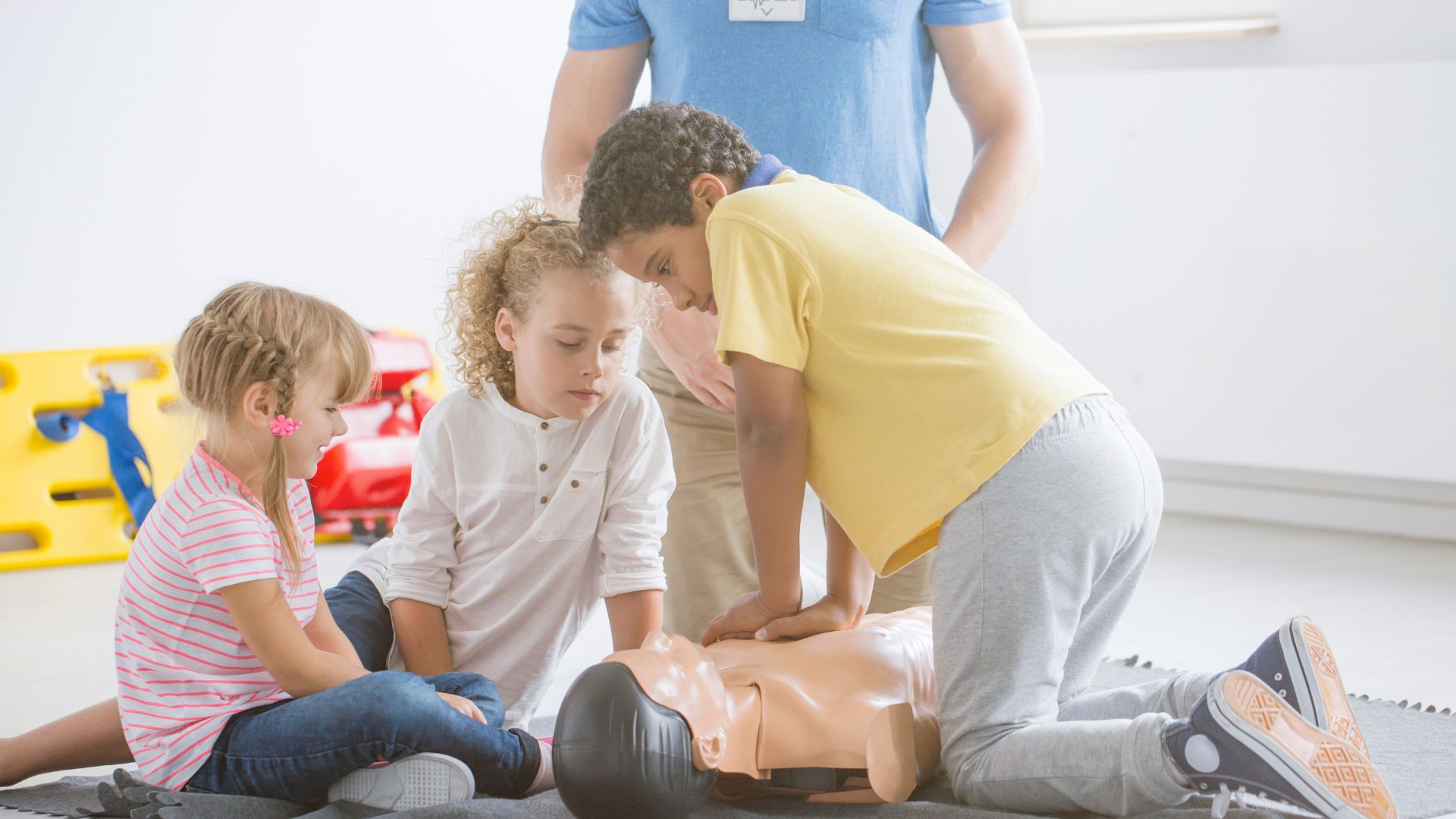
- CPR, First Aid, and BLS where offered by approved instructors
- CNA and phlebotomy pathway preparation and referral for eligible young adults
- Simulation-based practice for minors, with warm introductions to training partners
Clinical credentials such as CNA, phlebotomy, CPR, First Aid, and BLS are delivered by approved instructors and training partners and depend on age and program eligibility. Younger participants explore healthcare through simulation and observation.
Pathway
Technology
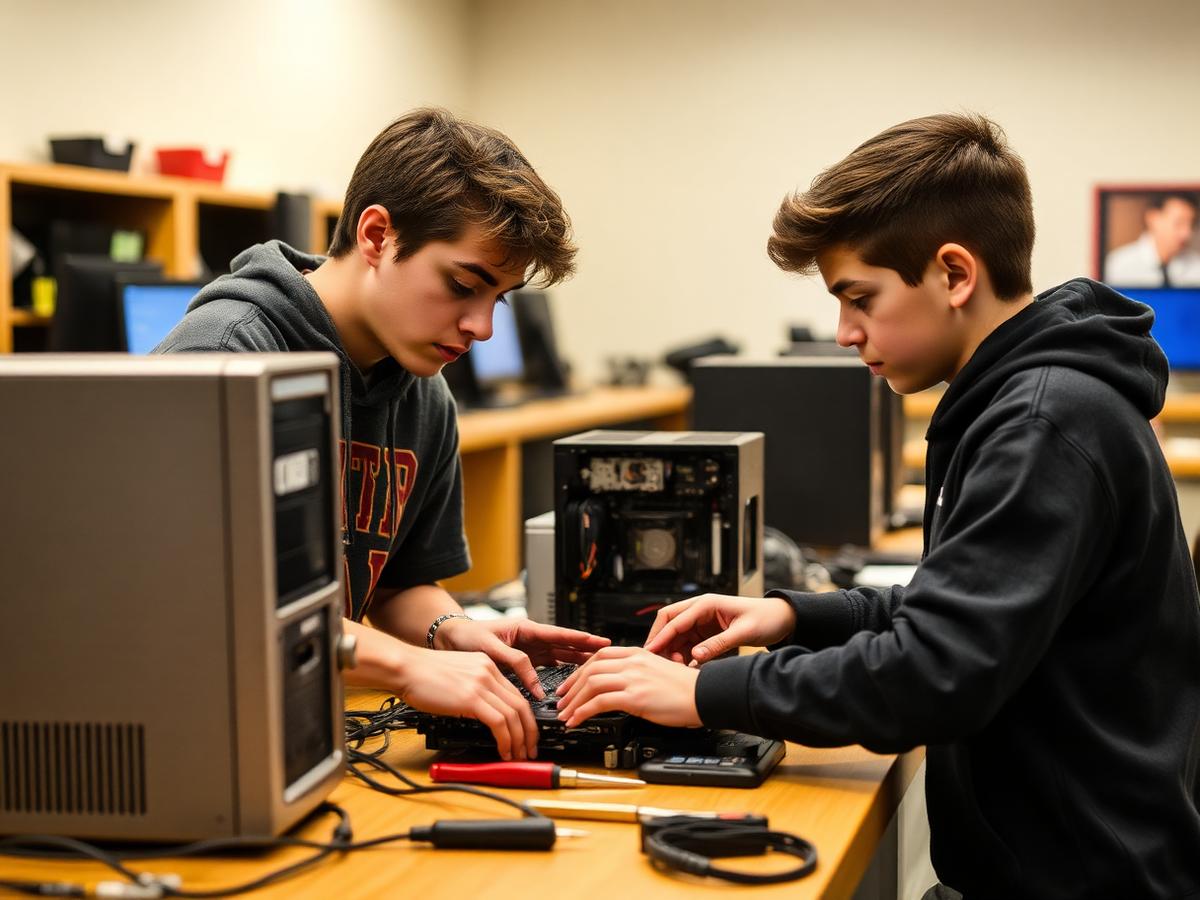
Practical digital skills that open doors to entry-level support and technology roles, paired with a broader look at where a technology career can lead.
What participants work on
- Digital fluency and the workplace software young people are expected to know
- Help desk practice, customer support, and ticket handling
- Hardware troubleshooting and computer repair on real equipment
- Guided, project-based exposure to application development
- Cybersecurity awareness, responsible technology use, and online judgment
Technology instruction is offered at an introductory and support level. Industry certifications are named only once a cohort is formally arranged with a partner able to deliver and award them.
Pathway
Supply Chain and Safety
Preparation for the warehousing, logistics, and manufacturing employers that anchor North County, where accuracy, safety, and dependability move a young worker forward quickly.
What participants work on
- Warehouse and logistics basics: order flow, inventory accuracy, documentation
- Working at pace on a team without losing accuracy
- Safety culture and OSHA awareness as everyday practice
- Forklift operator pathways for age-eligible participants
- Employer site exposure and progression into partner or employer-led training
Forklift and OSHA credentials carry age and employer requirements, so eligibility is confirmed for each participant before a credential pathway begins. Younger participants build the same habits through hands-on activities and employer site visits.

Part of every pathway
Career readiness and workplace success
Skill gets a young person in the door. Communication, feedback, and showing up well build the career. These are practiced inside every cohort, alongside the technical work.
- Career assessment and planning
- Interest and aptitude activities that help a young person choose a direction, then map the steps to get there.
- Resumes and applications
- A first resume worth handing over, applications completed accurately, and references prepared with care.
- Interview practice
- Mock interviews with real feedback on answers, presentation, body language, and follow-up.
- Communication and customer service
- Speaking clearly with supervisors, coworkers, and customers, and knowing how to ask a good question.
- Workplace ethics and conduct
- Attendance, timeliness, honesty, confidentiality, and the judgment employers notice first.
- Responding to supervision
- Taking direction, receiving feedback without shutting down, and turning correction into improvement.
- Teamwork and problem solving
- Working with people who are different from you, and thinking through a problem before escalating it.
- Digital professionalism
- Email, scheduling tools, online applications, and a social presence that supports a job search.
- Job search and transition planning
- Finding openings, applying with purpose, and planning the move into work, apprenticeship, or further education.
- Retention support
- Coaching through the first weeks on the job, when small problems are easiest to solve.
The support layer
Mentorship, life skills, and personal development
This is the part of the program that helps young people build on their strengths and carry them into school, work, home, and community, and what keeps them engaged when life gets complicated.
- Mentoring relationships
- Consistent caring adults and small group mentoring that continue past a single class or cohort.
- Confidence and goal setting
- Naming strengths, setting goals that matter to the young person, and following through.
- Communication and healthy relationships
- Listening well, expressing yourself clearly, and recognizing a respectful relationship.
- Emotional regulation
- Practical tools for handling frustration, pressure, and a bad day without losing ground.
- Decision making and accountability
- Thinking through consequences, owning choices, and repairing things when a choice goes wrong.
- Leadership and self-advocacy
- Speaking for yourself with teachers, supervisors, and adults, and stepping up for a team.
- Time management and reliability
- Organization, planning, and the habits that make someone easy to count on.
- Barrier navigation
- Help thinking through transportation, family responsibilities, housing, and other pressures, with referrals to partners who provide those services directly.
- Professional boundaries and digital judgment
- Knowing what belongs at work, what stays private, and how an online presence follows a young person.
- Resilience and re-engagement
- A way back in after a setback, because progress is rarely a straight line.
- Money basics and independent living
- Budgeting, planning, and everyday adult skills introduced at an age-appropriate pace.
How we handle conflict
Restorative practices and conflict resolution
Restorative practice is part of how NCYDC operates, not an add-on. Young people learn to work through disagreement, take responsibility, and rebuild trust.
- Conflict resolution
- Naming a disagreement early, hearing the other side, and working toward a solution both people can live with.
- Peer mediation
- Structured, youth-led conversations that settle conflict before it grows.
- Accountability and repairing harm
- Owning the effect of a choice on others and taking real steps to make it right.
- Re-engagement after mistakes
- A path back into the program and back into relationship, rather than a closed door.
- Handling conflict at school and work
- Practicing the same skills in the settings where they count most, with an adult nearby.
Economic confidence
Financial capability and entrepreneurship exposure
A first paycheck raises a lot of questions. NCYDC builds practical money skills so young people can hold onto what they earn, plan ahead, and consider building something of their own.
- Everyday money skills
- Budgeting, banking, saving, and reading a paycheck, including what taxes and deductions mean.
- Credit and fraud awareness
- How credit is built, how it is damaged, and how to recognize scams that target young people.
- Workplace benefits
- Understanding pay, benefits, and the questions worth asking before accepting an offer.
- Family financial wellness
- Conversations that include parents and guardians, because household stability supports a young person's progress.
- Banking and business careers
- Exposure to careers in banking and finance, alongside entrepreneurship activities for youth drawn to business ownership.
Family and wraparound support
NCYDC is a front door and support backbone rather than a social service agency. When something outside the classroom threatens progress, such as transportation, family responsibilities, access to training, or a need for counseling or behavioral health care, staff help the participant and family navigate it and connect with partners who provide those services directly. Support for student-parents during NCYDC programming is planned as a later phase of the Little Builders and Family Success model and is not operating yet.
Technology Supporting the Pathway
Supporting tools that help participants, families, staff, and partners stay connected
Hands-on programming and human support come first. The tools below are supporting and affiliated platforms that NCYDC uses or accesses under license. They are not NCYDC-owned software, and they are not products NCYDC sells.
StudentRecruit™
A separately owned platform, accessed through MyResApp™ and used by NCYDC under license. It supports participant records, training and certification tracking, mentoring, resume and job-readiness tools, employer dashboards, and outcomes reporting.
Career Quest Kidz™
An affiliated early career-awareness experience for elementary students, introducing the world of work through exploration and play. It sits alongside, and is separate from, NCYDC's core 14 to 24 workforce-development track.
Before The Consequence™ / The Choice Lab™
An affiliated youth decision-making and prevention simulation, used where appropriate to support legal literacy, restorative thinking, accountability, and conflict prevention in age-appropriate programming.
These platforms are owned by their respective owners, and product names are their trademarks. NCYDC uses them under license or affiliation. Availability varies by program phase.
Participant journey
From exploration to a real next step
Cohorts are scheduled around school calendars, partner availability, and what works for families. Each step applies across the age bands, with depth matched to age and eligibility.
Step 1
Discover
Interests, strengths, goals, and barriers, followed by age-appropriate exploration across pathways so a choice is informed.
Step 2
Prepare
Career readiness, life skills, mentoring, safety, and the foundational skills to enter partner training ready to learn.
Step 3
Train and connect
Hands-on and partner-led training, credential preparation where eligible, and introductions to employers, unions, and postsecondary programs.
Step 4
Transition and stay connected
Support into a job, apprenticeship, credential program, further education, or a business idea, with follow-up and alumni connection.
Programs are being prepared for 2027, with earlier opportunities offered when available. Families are welcome to join the interest list at any time. We reach out when a cohort fits the participant's age, interests, and schedule, and we go over everything that cohort includes before anyone enrolls.